Essential HVAC Tools Every Homeowner Should Have for Basic Maintenance and Emergency Situations
Owning a home means taking responsibility for the systems that keep your family comfortable year-round.
March 1, 2026 · 4 min read
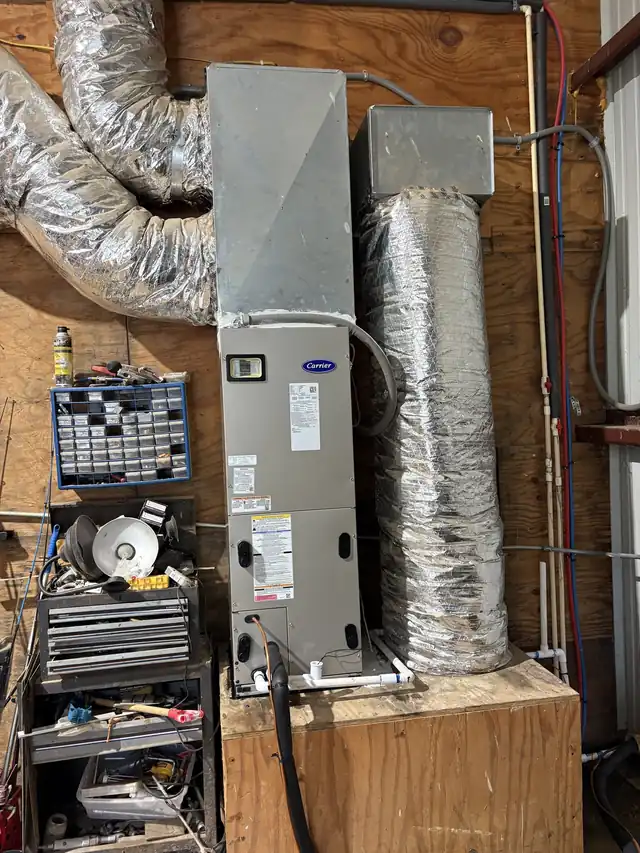
Owning a home means taking responsibility for the systems that keep your family comfortable year-round. Whether you live in Springdale, AR, Rogers, AR, or any of the surrounding communities like Lowell, Tontitown, Johnson, or Elm Springs, your heating and air conditioning systems work hard through every season. At Trinity Air Conditioning and Refrigeration, we are a new family-owned business with a combined experience of 35 years, and one thing we consistently tell our customers is that having the right tools on hand can make a significant difference in maintaining your HVAC system and handling minor emergencies before a professional arrives.
According to the Department of Energy, heating and cooling account for roughly 48 percent of the energy use in a typical American home. That makes your HVAC system the single largest energy expense you face. Regular maintenance using basic tools can improve efficiency, extend equipment life, and reduce the frequency of AC repair and heating repair calls. While professional service remains essential for complex issues, empowering yourself with a basic toolkit helps you stay proactive rather than reactive.
Diagnostic and Measurement Tools
The foundation of any homeowner HVAC toolkit starts with instruments that help you understand what your system is doing. A digital thermometer is one of the most valuable tools you can own. By checking the temperature at your supply and return vents, you can quickly determine whether your air conditioning or heating system is producing the expected temperature differential. For cooling, you should typically see a difference of 15 to 20 degrees between the return air and supply air. If the gap falls outside that range, it may be time to schedule air conditioning service with a qualified technician.
A multimeter is another invaluable diagnostic instrument. While homeowners should never work on electrical components without proper training, a multimeter can help you verify whether a thermostat is receiving power or whether a circuit breaker has tripped. Understanding basic voltage readings gives you useful information to communicate when you call for heating service or AC repair, which helps technicians prepare for the visit and resolve issues faster.
Cleaning and Maintenance Essentials
Keeping your system clean is one of the most impactful things you can do between professional maintenance visits. A shop vacuum with a hose attachment allows you to clean around your indoor unit, clear debris from drain pans, and vacuum dust from return air grilles. Clogged condensate drain lines are among the most common reasons homeowners call for AC repair during summer months, and a wet-dry vacuum can sometimes clear a minor blockage before it leads to water damage.
A coil cleaning brush with soft bristles helps you gently remove dirt and debris from your outdoor condenser unit. Over time, grass clippings, leaves, and cottonwood seeds can coat condenser coils and reduce your system’s ability to release heat. A garden hose with a gentle spray nozzle complements the brush for rinsing coils without bending the delicate aluminum fins. Fin combs, available at most hardware stores, allow you to straighten bent condenser fins that restrict airflow. As a Christian-based company, we prioritize family values, excellent customer service, and 24/7 availability, and part of serving our community well means educating homeowners on these simple steps that prevent costly breakdowns.
The Complete Homeowner HVAC Toolkit
Beyond the items already discussed, building a comprehensive toolkit ensures you are prepared for both routine maintenance and unexpected situations. Here is what we recommend keeping accessible throughout the year:
- Replacement air filters in the correct size for your system, because running your system without a filter even briefly can introduce contaminants into the equipment and ductwork
- A flashlight or headlamp for inspecting dark mechanical closets, crawl spaces, and attic-mounted air handlers where most residential units are installed
- An adjustable wrench and a set of nut drivers for accessing service panels and tightening loose connections on non-electrical components
- Duct tape rated for HVAC use, which differs from standard duct tape and can temporarily seal small leaks in accessible ductwork
- A level for checking that your thermostat is properly mounted and that your outdoor condensing unit sits on a pad that has not shifted or settled over time
- Condensate drain line cleaner or diluted bleach for periodic flushing of drain lines to prevent algae buildup and clogs
When to Call for Professional Help
Having tools is important, but knowing your limits is equally critical. Any work involving refrigerant, electrical wiring inside the unit, gas connections, or internal component replacement should always be handled by a licensed professional. At Trinity Air Conditioning and Refrigeration, we serve homeowners throughout Springdale, Lowell, Rogers, Tontitown, Johnson, and Elm Springs with reliable heating repair, heating service, AC repair, and air conditioning service. Our 24/7 availability means that when a situation goes beyond your toolkit, experienced help is always just a phone call away.
Trinity Air Conditioning and Refrigeration, (479) 325-1075
Call (479) 325-1075More articles
What a Walk-In Cooler Does Before It Fails, and What to Do at 11 p.m.
A walk-in rarely dies without warning, and most of the warnings are visible from the kitchen floor.
Why Your Ice Machine Makes Thin, Slow or Cloudy Ice
Most ice machine complaints trace back to water, airflow or a seal, and an owner can check several of them in ten minutes.