Home Maintenance Through the Decades: A Guide to Caring for Your Aging HVAC System
Your home’s heating, ventilation, and air conditioning system represents one of the most significant investments in your property’s comfort and efficiency.
June 1, 2025 · 4 min read
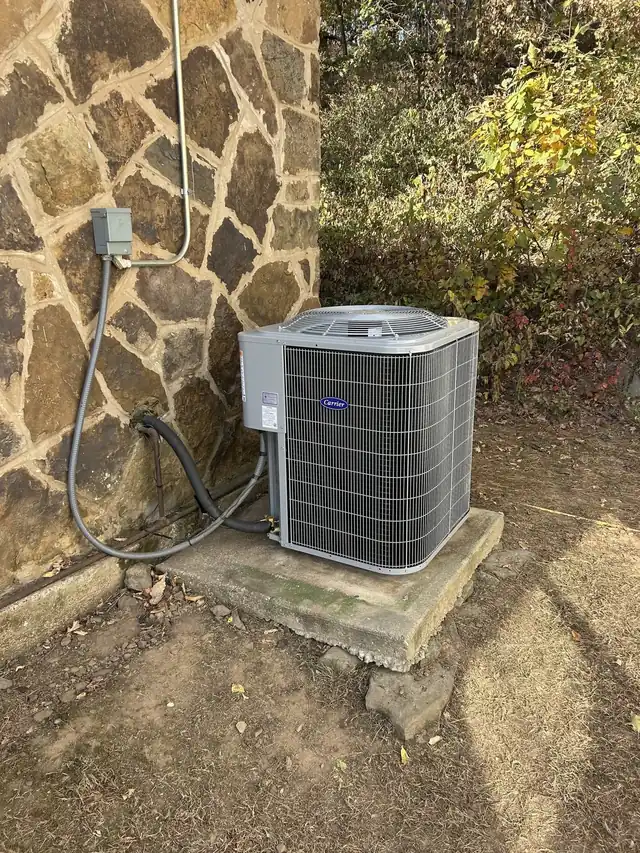
Understanding Your HVAC System’s Lifecycle
Your home’s heating, ventilation, and air conditioning system represents one of the most significant investments in your property’s comfort and efficiency. As systems age through the decades, their maintenance needs evolve dramatically. At Trinity Air Conditioning and Refrigeration, we’ve observed countless systems throughout their lifespans during our combined 35 years of experience. Understanding how to adapt your maintenance approach as your HVAC system matures can mean the difference between premature replacement and maximizing your investment’s lifespan.
Most residential HVAC systems have an expected lifespan of 15 to 25 years, depending on the quality of initial installation, environmental factors, and most importantly, the consistency and quality of maintenance they receive. The journey from a brand-new system to one approaching retirement requires different strategies at each stage. Our 24/7 availability means we’re always ready to help guide you through these changing needs, ensuring your system operates efficiently regardless of its age.
Years 1-5: Establishing Strong Foundations
During the first five years of your HVAC system’s life, maintenance focuses primarily on preserving warranty coverage and establishing baseline performance metrics. New systems typically require minimal intervention beyond regular filter changes every 30 to 90 days, depending on your home’s air quality needs. Annual professional inspections during this period help identify any installation issues that might have been overlooked and ensure all components are settling into their operational rhythm properly.
This early period offers the perfect opportunity to document your system’s peak performance characteristics. Recording energy consumption patterns, noting how quickly your system reaches desired temperatures, and tracking any unusual sounds or behaviors creates valuable reference points for future comparisons. As a Christian-based company that prioritizes family values, we encourage homeowners to involve all family members in understanding these basics, creating a culture of proactive home care that extends beyond just HVAC maintenance.
Years 6-10: The Prime Performance Period
As your system enters its second half of the first decade, maintenance requirements begin to shift. Components that were once new start showing signs of normal wear, and preventive maintenance becomes increasingly critical. During this period, professional technicians should begin paying closer attention to:
- Refrigerant levels which may start showing minor decreases due to microscopic leaks developing in coils and connections
- Electrical connections that can loosen from thermal expansion and contraction cycles
- Moving parts like fan motors and compressor components that benefit from lubrication and alignment checks
This timeframe often represents your system’s peak efficiency period when properly maintained. Energy costs remain predictable, and major repairs are still relatively uncommon. However, this is also when neglected systems begin showing accelerated wear patterns that can significantly shorten their lifespan. Our heating repair and AC repair services during this period focus on preserving optimal performance rather than addressing failures.
Years 11-15: Strategic Maintenance Intensifies
The second decade of your HVAC system’s life marks a critical transition period. Components that have faithfully operated for thousands of hours begin reaching their designed service limits. Capacitors, which help motors start and run efficiently, typically need replacement during this period. Fan belts, if your system uses them, show increased wear. Contactors in the electrical system may begin pitting, affecting their ability to maintain consistent connections.
During these years, the relationship between maintenance investment and system reliability becomes particularly evident. Well-maintained systems continue operating efficiently with predictable minor repairs, while neglected units often experience cascading failures. One failing component stresses others, creating a domino effect that can lead to premature system replacement. Our HVAC service approach during this period emphasizes comprehensive inspections that identify weakening components before they fail completely, allowing for planned replacements during scheduled maintenance rather than emergency repairs during temperature extremes.
Years 16-20: Maximizing Late-Stage Efficiency
Systems entering their third decade of service require careful evaluation of repair versus replacement economics. Major components like compressors and heat exchangers may still function but operate at reduced efficiency. Energy consumption often increases by 20 to 40 percent compared to newer models, making monthly operating costs a significant consideration. However, quality systems that have received consistent maintenance can often continue providing reliable comfort for several more years.
- Conduct semi-annual professional inspections instead of annual checks to catch developing issues early
- Consider upgrading thermostats to programmable or smart models that can reduce system runtime
- Evaluate ductwork condition as leaks and insulation degradation significantly impact aging system performance
Planning for the Future
As systems approach and exceed 20 years of service, maintenance strategies must balance extending current system life with preparing for eventual replacement. Our furnace repair and comprehensive HVAC services help homeowners make informed decisions about when continued maintenance makes economic sense versus investing in new, more efficient technology. Excellent customer service means we’ll provide honest assessments about your system’s condition and remaining lifespan, helping you plan and budget appropriately for future needs.
Trinity Air Conditioning and Refrigeration, (479) 325-1075
Call (479) 325-1075More articles
What a Walk-In Cooler Does Before It Fails, and What to Do at 11 p.m.
A walk-in rarely dies without warning, and most of the warnings are visible from the kitchen floor.
Why Your Ice Machine Makes Thin, Slow or Cloudy Ice
Most ice machine complaints trace back to water, airflow or a seal, and an owner can check several of them in ten minutes.