How Regular HVAC Maintenance Protects Your Home's Investment Value and Prevents Costly Repairs
Your heating and cooling system represents one of the most substantial investments in your property, typically accounting for 5-10% of your home’s total value.
October 1, 2025 · 3 min read
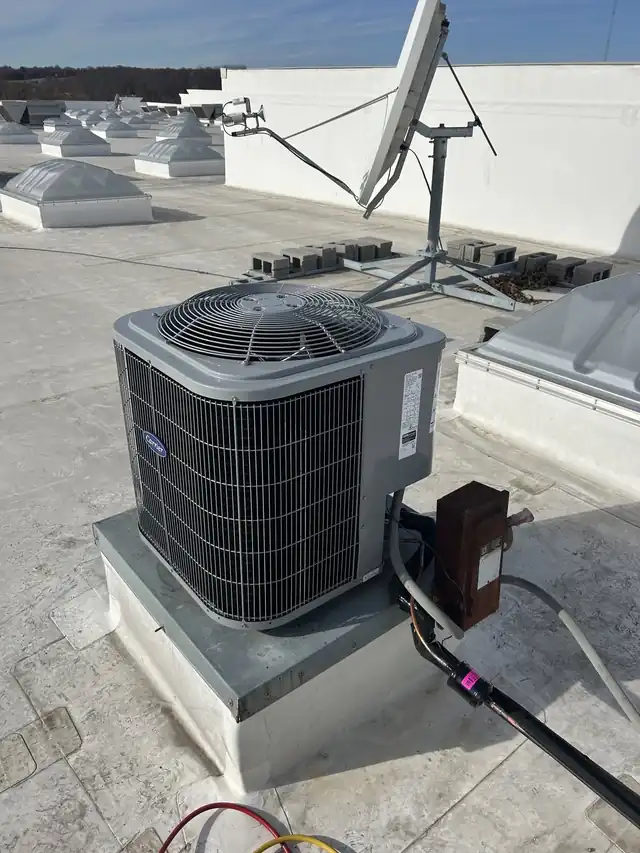
Understanding the Long-Term Financial Impact of HVAC Maintenance
Your heating and cooling system represents one of the most substantial investments in your property, typically accounting for 5-10% of your home’s total value. When potential buyers evaluate properties in areas like Springdale, Rogers, and surrounding Northwest Arkansas communities, the condition and efficiency of the HVAC system significantly influences their purchasing decisions. A well-maintained system can add thousands of dollars to your property value, while a neglected one can trigger costly negotiations or deal-breaking inspection reports. Regular maintenance preserves this investment by ensuring your system operates at peak efficiency, maintains its warranty coverage, and extends its operational lifespan well beyond the industry average of 15-20 years.
The financial mathematics of preventive maintenance versus reactive repairs tells a compelling story. While annual maintenance typically costs between $150-300, a single major repair can easily exceed $2,000-5,000, particularly when dealing with compressor failures, heat exchanger cracks, or refrigerant leaks. At Trinity Air Conditioning and Refrigeration, we’ve observed that properties with documented maintenance histories command 3-5% higher selling prices than comparable homes with unclear HVAC service records. This premium reflects buyers’ confidence in avoiding immediate replacement costs and their appreciation for lower utility bills that well-maintained systems provide.
Critical Components That Require Regular Professional Attention
Your air conditioning and heating equipment contains numerous components that degrade gradually without proper care. The evaporator and condenser coils accumulate dirt and debris over time, reducing heat transfer efficiency by up to 40% when left uncleaned. This degradation forces your system to run longer cycles, increasing energy consumption and accelerating wear on expensive components like compressors and fan motors. During routine maintenance visits, technicians clean these coils thoroughly, check refrigerant levels, and ensure proper airflow throughout the system. These seemingly minor adjustments prevent the cascade of failures that often result in emergency service calls during extreme weather conditions.
The electrical components within your HVAC system require particular attention, as loose connections and worn contactors cause approximately 85% of preventable system failures. Capacitors, which provide the initial surge of power needed to start motors, gradually lose their ability to hold charge, leading to hard starts that stress compressors and reduce their lifespan. Regular maintenance includes testing these components, tightening electrical connections, and replacing parts showing early signs of failure before they cause system-wide problems. With our combined 35 years of experience, we’ve learned to identify these warning signs early, saving homeowners from the inconvenience and expense of unexpected breakdowns.
Preventing the Domino Effect of Deferred Maintenance
When HVAC systems operate with minor unaddressed issues, these problems compound exponentially over time. A slightly dirty air filter restricts airflow, causing the evaporator coil to freeze, which leads to liquid refrigerant returning to the compressor, ultimately resulting in compressor failure, the most expensive repair in any air conditioning system. This progression from a $20 filter to a $3,000 compressor replacement illustrates why regular maintenance proves so cost-effective. Our 24/7 availability means we can address these concerns promptly, preventing minor issues from escalating into major failures.
Essential Maintenance Tasks That Protect Your Investment
Professional HVAC maintenance encompasses far more than changing filters and checking thermostats. A comprehensive maintenance visit includes:
- Refrigerant charge verification: Improper refrigerant levels reduce cooling capacity by 20% for every 10% of undercharge
- Combustion analysis for furnaces: Ensures safe operation and optimal fuel efficiency during heating season
- Condensate drain cleaning: Prevents water damage and microbial growth that affects indoor air quality
- Belt tension and alignment checks: Reduces motor strain and prevents premature bearing failure
- Safety control testing: Verifies proper operation of limit switches and pressure controls
- Ductwork inspection: Identifies leaks that waste 20-30% of conditioned air in typical homes
Maximizing Equipment Lifespan and Home Value
The relationship between maintenance frequency and equipment longevity follows a predictable pattern. Systems receiving biannual professional service typically operate efficiently for 20-25 years, while neglected units often require replacement after just 10-12 years. This extended lifespan translates directly into financial savings, as replacing a complete HVAC system costs $7,000-15,000 depending on home size and equipment specifications. As a Christian-based company that prioritizes family values, we understand the importance of protecting your family’s financial wellbeing through proactive maintenance strategies.
Regular documentation of maintenance activities creates a valuable asset when selling your property. Detailed service records demonstrating consistent professional care reassure buyers and home inspectors, often eliminating HVAC concerns from negotiation points. This documentation proves particularly valuable in competitive real estate markets where buyers scrutinize every aspect of potential purchases, seeking homes that won’t require immediate major investments in mechanical systems.
Trinity Air Conditioning and Refrigeration, (479) 325-1075
Call (479) 325-1075More articles
What a Walk-In Cooler Does Before It Fails, and What to Do at 11 p.m.
A walk-in rarely dies without warning, and most of the warnings are visible from the kitchen floor.
Why Your Ice Machine Makes Thin, Slow or Cloudy Ice
Most ice machine complaints trace back to water, airflow or a seal, and an owner can check several of them in ten minutes.