How Weather Extremes Put Your Home's HVAC and Refrigeration Systems to the Test and What You Can Do About It
The moment a triple-digit heat wave rolls across Northwest Arkansas or an ice storm settles in overnight, your home’s comfort systems face pressures that they rarely encounter during mild weather.
July 1, 2026 · 3 min read
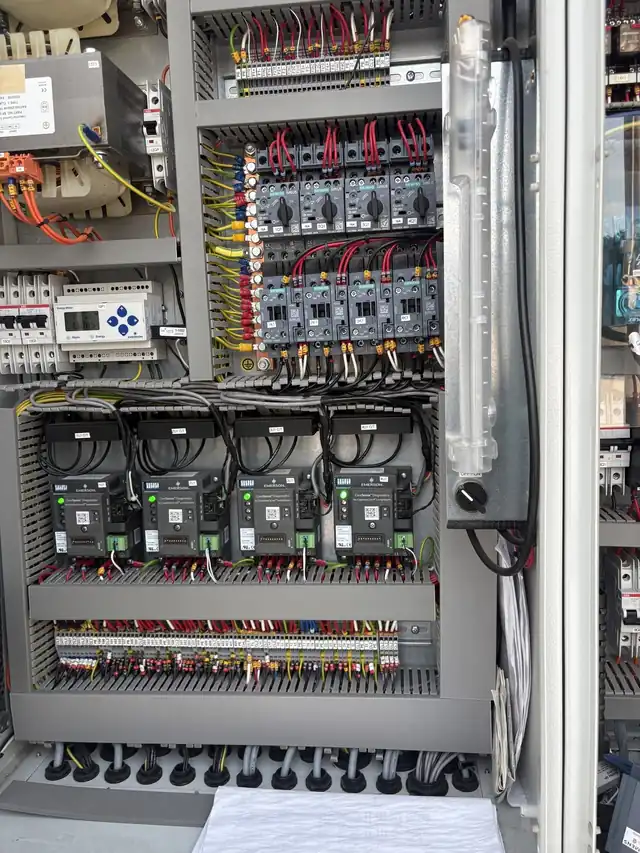
The moment a triple-digit heat wave rolls across Northwest Arkansas or an ice storm settles in overnight, your home’s comfort systems face pressures that they rarely encounter during mild weather. Equipment that hums along quietly in spring and fall suddenly runs for hours without pause, and any small weakness, a low refrigerant charge, a tired capacitor, a clogged coil, gets exposed at the worst possible time. Understanding how these seasonal extremes strain your air conditioning, heating, and refrigeration equipment can help you stay ahead of breakdowns rather than scrambling to recover from one.
Why Extreme Heat Overwhelms Cooling Systems
When outdoor temperatures climb into the upper 90s and beyond, your air conditioner has to work against a much larger temperature difference between the hot outside air and the cool interior you want. The compressor cycles longer and more frequently, condenser fans spin continuously, and refrigerant pressures rise sharply. A system that was marginally undercharged in June may cool acceptably, but during a July heat wave it can struggle to keep pace, allowing indoor temperatures to creep upward by mid-afternoon.
Heat also punishes electrical components. Capacitors, contactors, and relays are rated for specific temperature ranges, and prolonged operation in blistering conditions accelerates their wear. This is why so many cooling failures cluster during the hottest weeks of the year. Serving Springdale, Lowell, Rogers, Tontitown, Johnson, and Elm Springs, Trinity Air Conditioning and Refrigeration sees firsthand how a well-maintained system shrugs off heat waves while a neglected one falters. Our air conditioning service focuses on the details that matter most when demand peaks, clean coils, correct charge, tight electrical connections, and healthy airflow.
How Cold Snaps Test Your Heating Equipment
Winter presents the opposite challenge. When temperatures plunge, furnaces and heat pumps run for extended cycles to maintain a comfortable indoor climate. Heat pumps in particular lose efficiency as outdoor temperatures fall, and they periodically enter defrost mode to shed ice from the outdoor coil. If a defrost sensor or reversing valve is failing, you may notice cold air blowing from vents or ice building up outside.
Gas furnaces face their own stresses. Ignition components, flame sensors, and heat exchangers all endure repeated thermal cycling, and a dirty flame sensor is one of the most common reasons a furnace shuts down on the coldest morning of the year. Heating repair calls spike during cold snaps for the same reason cooling calls spike during heat waves, extreme demand reveals hidden weaknesses. Our heating service is built around catching these issues before a hard freeze forces the problem into the open.
Weather Extremes and Your Refrigeration Systems
Refrigeration deserves special attention because it runs every hour of every day, regardless of the season. High ambient temperatures around a refrigerator, freezer, or walk-in unit force the compressor to work harder to reject heat, which can shorten equipment life and raise energy costs. In garages, utility rooms, and light commercial spaces that lack air conditioning, summer heat can push refrigeration systems to their limits.
Cold weather affects refrigeration too, particularly outdoor condensing units that may short-cycle or lose pressure when temperatures drop. Because we handle both air conditioning and refrigeration, Trinity Air Conditioning and Refrigeration brings a broader perspective to protecting the systems that keep your food safe and your home comfortable year-round.
Practical Steps to Protect Your Systems
You do not have to wait for a failure to take action. A few consistent habits go a long way toward keeping your equipment resilient when the weather turns severe.
- Replace air filters regularly: a clogged filter restricts airflow and forces both heating and cooling systems to labor harder than necessary.
- Keep outdoor units clear: remove leaves, grass clippings, and debris so condensers can breathe and reject heat efficiently.
- Schedule seasonal tune-ups: spring and fall inspections catch small problems before extreme weather exposes them.
- Listen and watch for changes: unusual noises, weak airflow, or rising energy bills often signal a developing issue.
Why Homeowners Rely on Us
We are a new family-owned business with a combined experience of 35 years, and that depth of knowledge shapes every service call we make. As a Christian-based company, we prioritize family values, excellent customer service, and 24/7 availability, which means when a heat wave or ice storm strikes, you can reach us at any hour.
Weather extremes will always test your HVAC and refrigeration systems, but with attentive care and a trusted partner in Trinity Air Conditioning and Refrigeration, those tests do not have to end in discomfort or costly emergencies. Reach out whenever you need repair, service, or peace of mind before the next big temperature swing arrives.
Trinity Air Conditioning and Refrigeration, (479) 325-1075
Call (479) 325-1075More articles
What a Walk-In Cooler Does Before It Fails, and What to Do at 11 p.m.
A walk-in rarely dies without warning, and most of the warnings are visible from the kitchen floor.
Why Your Ice Machine Makes Thin, Slow or Cloudy Ice
Most ice machine complaints trace back to water, airflow or a seal, and an owner can check several of them in ten minutes.