The Hidden HVAC Maintenance Tasks Every Homeowner Overlooks That Could Cost You Thousands
Your HVAC system’s condensate drain line silently removes gallons of water daily during cooling season, yet most homeowners never give it a second thought until water damage appears on ceilings or walls.
September 1, 2025 · 4 min read
The Condensate Drain Line Crisis Waiting to Happen
Your HVAC system’s condensate drain line silently removes gallons of water daily during cooling season, yet most homeowners never give it a second thought until water damage appears on ceilings or walls. This simple PVC pipe carries moisture away from your air handler, preventing overflow that can destroy drywall, flooring, and create toxic mold colonies within 48 hours. At Trinity Air Conditioning and Refrigeration, we’ve seen countless emergency calls where a clogged condensate line caused thousands in water damage that regular maintenance would have prevented.
The drain line naturally accumulates algae, dust, and mineral deposits that gradually restrict flow until complete blockage occurs. During peak summer months in Northwest Arkansas, your system can produce up to 20 gallons of condensate daily, making proper drainage essential. Simple quarterly flushing with vinegar or specialized cleaning tablets keeps these lines clear, yet fewer than 15% of homeowners perform this basic task. We recommend checking your drain line monthly during cooling season by pouring a cup of water into the overflow pan and ensuring it drains completely within seconds.
Evaporator and Condenser Coil Degradation
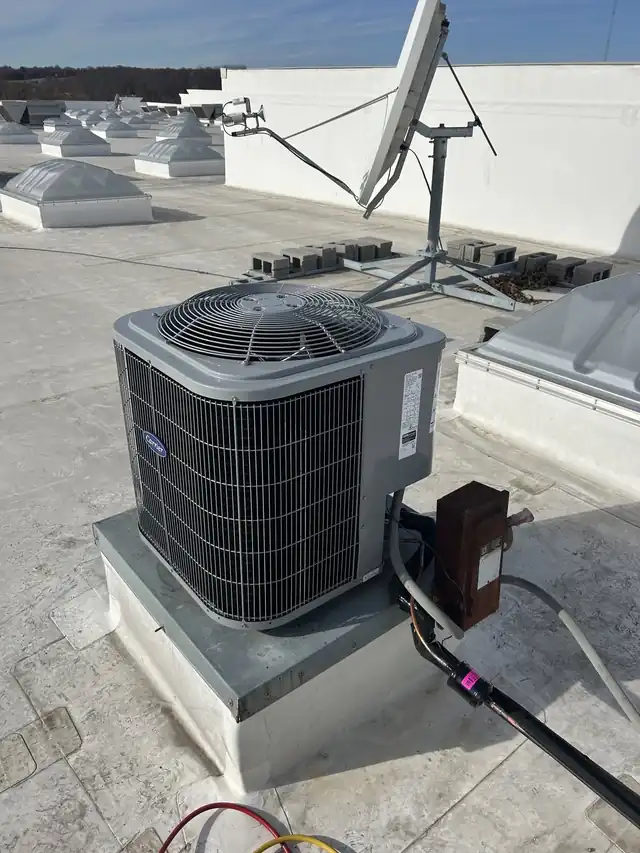
Hidden within your indoor air handler and outdoor unit, evaporator and condenser coils perform the critical heat exchange that makes cooling possible, yet their gradual contamination reduces efficiency by up to 40% before most homeowners notice problems. These aluminum or copper fins accumulate microscopic layers of dust, pollen, and organic material that act as insulation, forcing your system to work harder and consume more energy. Our experience serving Springdale, Rogers, and surrounding communities shows that neglected coils typically add $300-500 annually to electric bills while shortening equipment life by five to seven years.
Professional coil cleaning requires specialized equipment and chemicals that penetrate deep into fin structures without causing corrosion or damage. While changing filters helps protect evaporator coils, outdoor condenser coils face constant exposure to lawn debris, cottonwood seeds, and atmospheric pollutants that create stubborn buildup. Annual professional cleaning restores heat transfer efficiency, but homeowners should also maintain two feet of clearance around outdoor units and gently rinse coils with a garden hose monthly during heavy use periods.
Electrical Component Deterioration and Safety Hazards
Every HVAC system contains dozens of electrical connections that expand and contract with temperature changes, gradually loosening over time and creating resistance that generates dangerous heat. These failing connections account for approximately 25% of HVAC-related house fires nationwide, yet most homeowners never inspect electrical components until systems fail completely. Capacitors, contactors, and relay switches deteriorate predictably but invisibly, often failing during extreme temperature events when you need climate control most.
Regular infrared scanning during professional maintenance identifies hot spots before connections fail catastrophically, potentially saving both equipment and lives. We check voltage levels, amp draws, and connection integrity on every service call because electrical problems compound quickly. As a 24/7 available company with 35 years of combined experience, we’ve responded to countless middle-of-the-night emergencies that proper electrical maintenance would have prevented. Homeowners should watch for warning signs including circuit breakers tripping, burning smells near equipment, or unusual clicking sounds during startup cycles.
Critical Safety Device Testing Most Homeowners Skip
Your HVAC system includes multiple safety devices designed to prevent carbon monoxide poisoning, fire, and equipment damage, yet these protective components require regular testing to ensure proper operation when needed most. The following safety devices need annual inspection:
- Flame sensors in furnaces prevent gas flow without proper ignition
- Pressure switches detect blocked vents that could cause carbon monoxide buildup
- Float switches shut down systems before condensate overflow causes water damage
- High limit switches prevent overheating that could trigger fires
- Carbon monoxide detectors near equipment provide early warning of combustion problems
These devices fail silently without regular testing, leaving families vulnerable to serious hazards. Our Christian-based company prioritizes family safety above profits, which means we thoroughly test every safety component during routine maintenance visits throughout Lowell, Tontitown, Johnson, and Elm Springs.
Ductwork Degradation and Energy Loss
Behind walls and above ceilings, your ductwork slowly develops leaks that waste conditioned air and allow contaminated attic air into living spaces, yet most homeowners never inspect these hidden airways until comfort problems become severe. Studies indicate average homes lose 20-30% of conditioned air through duct leaks, adding hundreds to annual energy costs while reducing indoor air quality. Flexible ductwork commonly separates at connections, while metal ducts develop gaps at seams where old tape and mastic fail.
Professional duct sealing using modern aerosol technology can reduce these losses by 90%, paying for itself through energy savings within two to three years. Beyond efficiency concerns, leaky ducts pull insulation particles, dust, and potentially dangerous gases into breathing air, triggering allergies and respiratory issues that families often attribute to other causes. Regular pressure testing identifies deterioration before major repairs become necessary, protecting both your budget and your family’s health.
Trinity Air Conditioning and Refrigeration, (479) 325-1075
Call (479) 325-1075More articles
What a Walk-In Cooler Does Before It Fails, and What to Do at 11 p.m.
A walk-in rarely dies without warning, and most of the warnings are visible from the kitchen floor.
Why Your Ice Machine Makes Thin, Slow or Cloudy Ice
Most ice machine complaints trace back to water, airflow or a seal, and an owner can check several of them in ten minutes.